5 Projects That Absolutely Need a Concrete Pump
Midlands Concrete Pumping
If you’ve ever watched a team try to move concrete with wheelbarrows, you’ll know two things pretty quickly: it’s hard work, and it takes time. On some jobs, that’s manageable. On others, it’s a false economy.
Concrete pumps aren’t just about convenience. On the right project, they’re the difference between a smooth, controlled pour and a long, stressful day on site. Here are five types of jobs where hiring a concrete pump isn’t just helpful — it’s the smart way to do it.
1. House Foundations
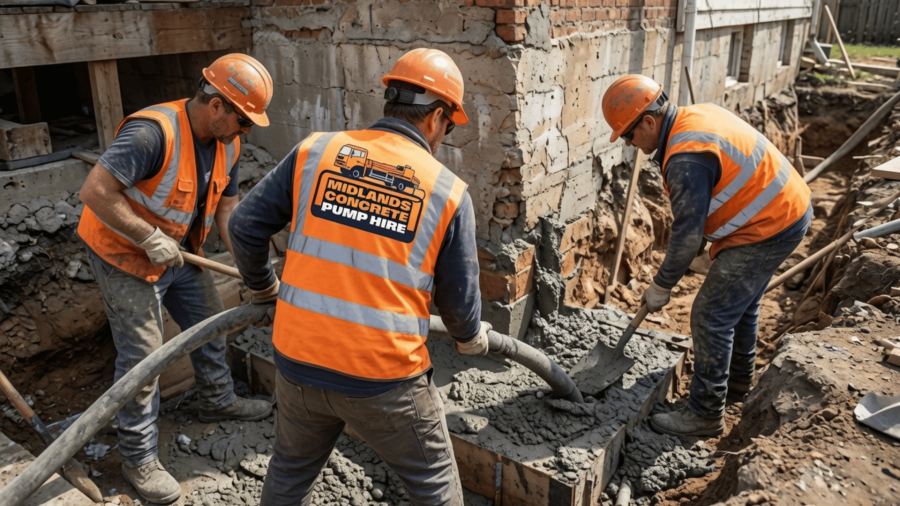
Foundations are one of those jobs where there’s no room for error. Once the concrete starts flowing, you need to place it quickly and consistently. Delays can affect the finish and, in hot weather, even the integrity of the pour.
With a concrete pump, the mix goes straight from the wagon to exactly where it’s needed. No double handling. No long lines of barrows. No unnecessary waiting around while the mix starts to stiffen.
For larger footings or trench-fill foundations, especially on new-build plots, a pump keeps the pour steady and controlled. It also reduces the physical strain on the team, which makes a big difference over the course of a full day’s work.
2. Ground Beams and Reinforced Bases
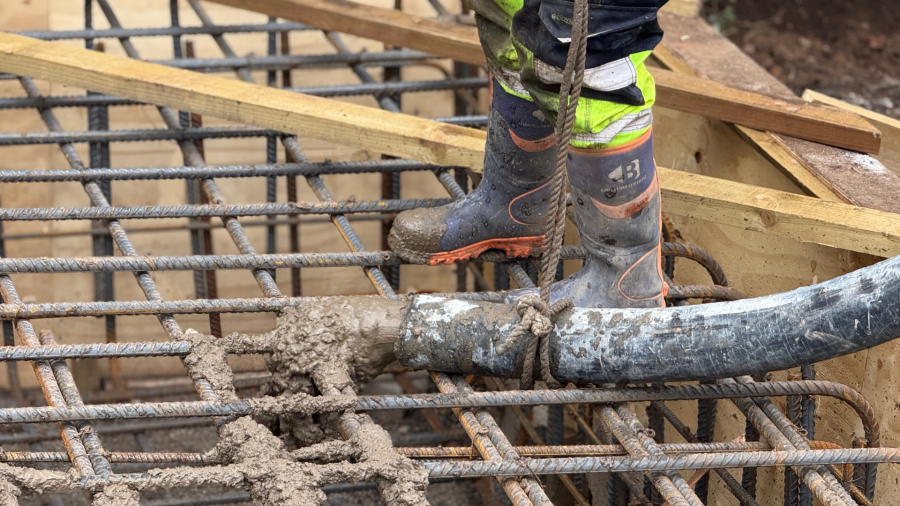
Ground beams and reinforced bases often involve tight spaces, shuttering, and a fair bit of steel. Trying to barrow concrete into these areas can be awkward and messy.
A line pump allows you to place concrete neatly along the beam run or inside the formwork without disturbing reinforcement. It’s more precise, which helps avoid overfilling, air pockets, and unnecessary clean-up afterwards.
On sites where accuracy matters and let’s be honest, that’s most of them, pumping gives you far better control over placement.
3. Basement and Retaining Wall Pours
Basements and retaining walls are rarely straightforward. You’re often working below ground level, dealing with limited access and restricted working space.
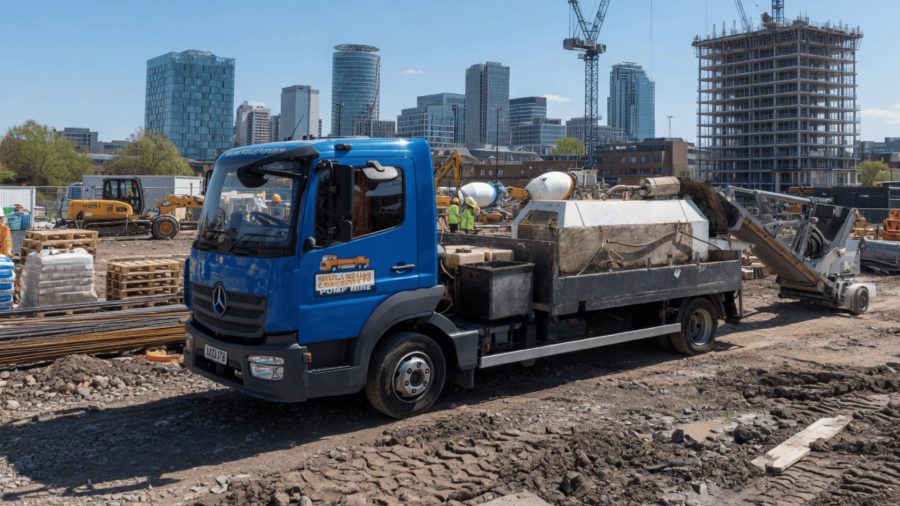
This is where a boom pump really proves its worth. Instead of trying to manoeuvre barrows down ramps or through narrow openings, the concrete can be delivered directly into the structure from above.
It’s safer, faster, and far more efficient. When you’re pouring walls or slabs below ground, you want consistent flow and proper compaction. A pump helps you achieve that without turning the site into a bottleneck.
4. Large Concrete Slabs (Domestic and Commercial
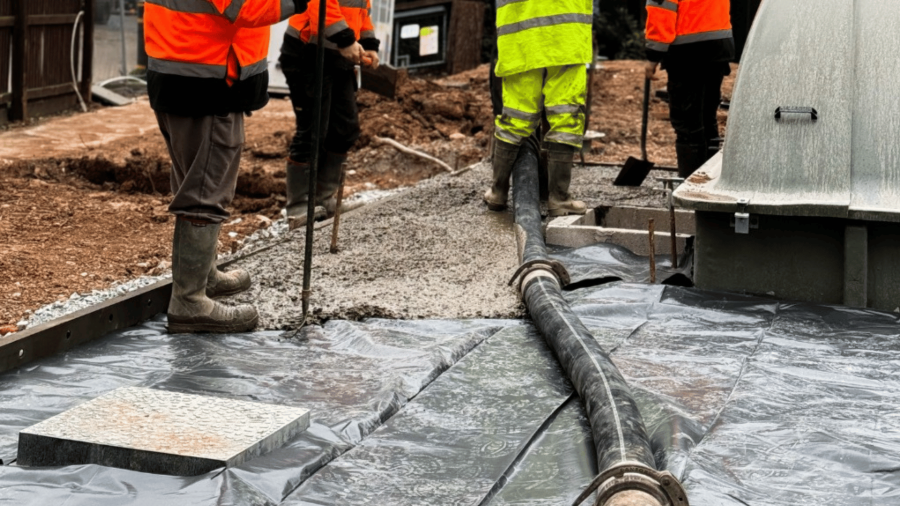
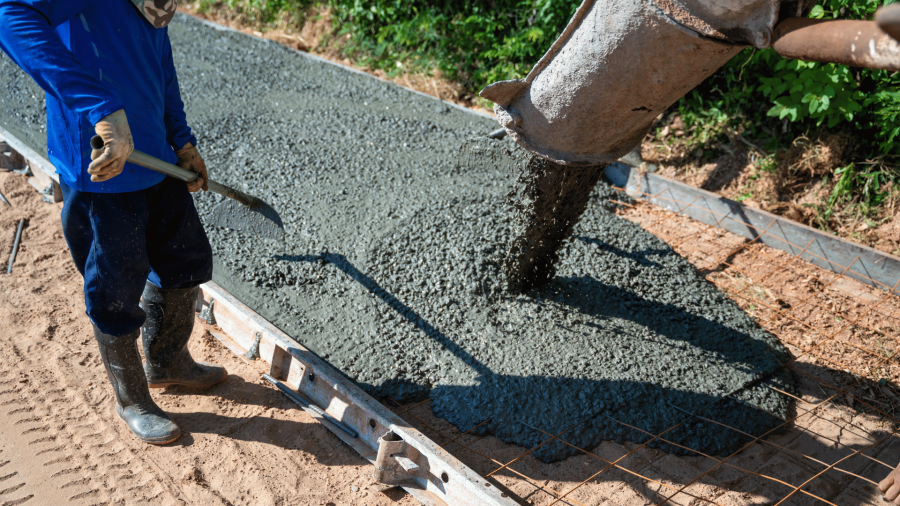
Whether it’s a workshop base, agricultural shed, driveway, or commercial floor slab, large flat pours need to be completed quickly and evenly.
The longer a slab takes to pour, the harder it becomes to maintain a uniform finish. Cold joints, uneven levels, and rushed finishing are all risks when the concrete isn’t placed efficiently.
Using a pump means the slab can be poured in sections without unnecessary delay. The concrete is delivered exactly where the finishing team needs it, helping maintain a steady workflow from start to finish.
For bigger commercial slabs, pumping isn’t just useful — it’s often essential.
5. Hard-to-Reach or Restricted Access Sites
Some properties just aren’t built with easy access in mind. Back gardens with no side entrance, terraced houses, narrow driveways, rural plots with uneven ground — we’ve seen them all.
In these situations, relying on manual methods can turn a simple pour into a logistical headache. A concrete pump can run line through or over obstacles, reaching areas that would otherwise require hours of labour to access.
It keeps disruption to a minimum and avoids unnecessary damage to lawns, paths, or finished surfaces.
Why Pumping Makes Sense
Across all of these projects, the benefits are consistent:
- Faster pours
- Reduced labour strain
- Better placement accuracy
- Less mess and waste
- Improved safety on site
It’s not about replacing hard work — it’s about working smarter. When time, access, or finish quality matters, a concrete pump quickly pays for itself.
If you’re planning foundations, a slab, beams, or any pour where access is tight, it’s worth having the conversation early. The right setup on the day can save hours, reduce stress, and help the job run exactly as it should.
If you’re unsure which type of pump is right for your project, get in touch and we’ll talk it through. A quick chat before the pour can make all the difference.
View more articles from Midlands Concrete Pump Hire below or get in touch with us here.