Pouring Concrete in Cold Weather: Minimum Temperatures & Winter Tips
You can pour concrete in cold weather in the UK, as long as the concrete is at least 5°C when it’s delivered and stays above 5°C until it has gained strength. The ground and formwork it’s poured onto must be free of ice and snow and a few degrees above freezing. Get those basics right, and a winter pour is just as strong as a summer one.
Plenty of builders shut down concrete work from November to February and lose weeks of progress doing it. In most of the UK winter, that isn’t necessary. What matters is understanding what cold does to concrete and planning around it.
Can You Pour Concrete in Winter?
Yes. Cold doesn’t stop concrete from working. It slows it down. Concrete hardens through a chemical reaction between cement and water, and that reaction runs more slowly as the temperature drops. Think of it like baking bread in a cool oven: it still bakes, it just takes longer, and if the oven goes off completely before it’s done, you’re left with something that never sets properly.
The real danger is frost. If the water in fresh concrete freezes before the concrete has gained enough strength, the ice expands and damages it from the inside.
The Key Temperatures for Cold Weather Concreting
These are the figures that matter, based on the UK standards for ready-mixed concrete and concrete construction (BS EN 206 and BS EN 13670):
| What | Minimum |
| Concrete temperature on delivery | 5°C |
| Ground, sub-base and formwork | A few degrees above freezing (around 2°C), free of ice and snow |
| Concrete temperature after placing | Kept at 5°C or above until it reaches 5 N/mm² strength |
| Strength to resist frost damage | Around 2 N/mm², usually about 48 hours at 5°C or above |
In very cold weather, ready-mix suppliers can deliver heated concrete above 10°C to give the pour a head start.
What Happens When Fresh Concrete Freezes?
Fresh concrete is full of water. If that water freezes in the first day or two, it expands and pushes the concrete apart before it has the strength to resist. The result is a weak, flaky surface that scales and crumbles, lower overall strength, and in bad cases concrete that has to be broken out and poured again.
Once concrete has reached around 2 N/mm², it’s strong enough to survive a frost without that damage. Until then, it needs protecting.
How Cold Affects Setting and Curing Times
Even above freezing, cold concrete is slow concrete. A slab that’s firm enough to walk on the next morning in June might need two or three days in January. Formwork needs to stay in place longer, and power floating starts later.
Mixes containing cement replacements such as GGBS or fly ash slow down even more in the cold. Talk to your concrete supplier about the right mix for the time of year.
How to Protect Concrete in Cold Weather
Before the Pour
- Check the forecast. Look at the overnight lows for the next two to three days, not just the day of the pour.
- Clear ice and snow from the ground, formwork and reinforcement.
- Never pour onto frozen ground. Cover the area with insulation or tarps the night before if a frost is forecast.
- Order concrete at 5°C or above, and ask for a heated or faster-setting mix in very cold spells.
During the Pour
- Pour early in the day so the concrete has the warmest hours to start gaining strength.
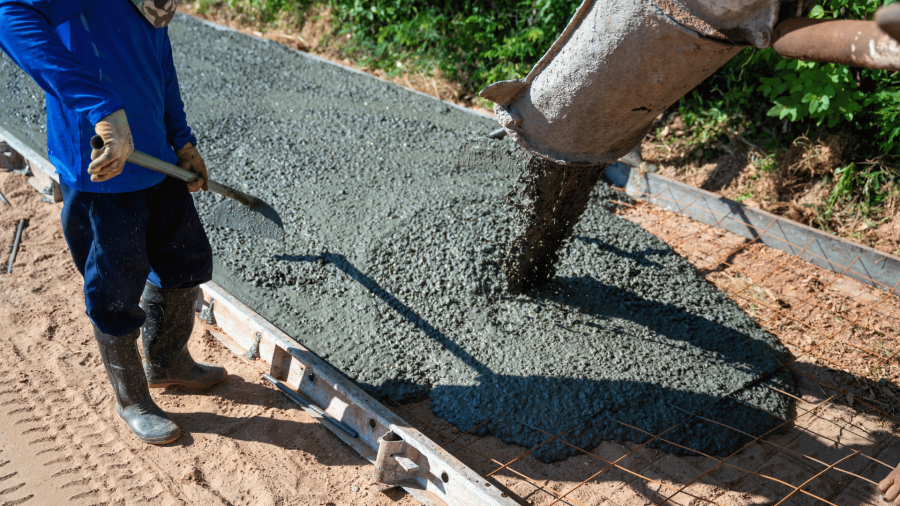
- Place it quickly. Concrete loses heat while it’s sitting in barrows or waiting on site.
- Have your covers ready before the first load arrives.
After the Pour
- Cover exposed surfaces with insulated frost blankets or polythene and insulation as soon as finishing allows.
- Insulate steel formwork. Timber formwork usually holds heat well enough on its own.
- Don’t water-cure if freezing is expected.
- Leave formwork in longer than you would in summer.
Why a Concrete Pump Helps in Winter
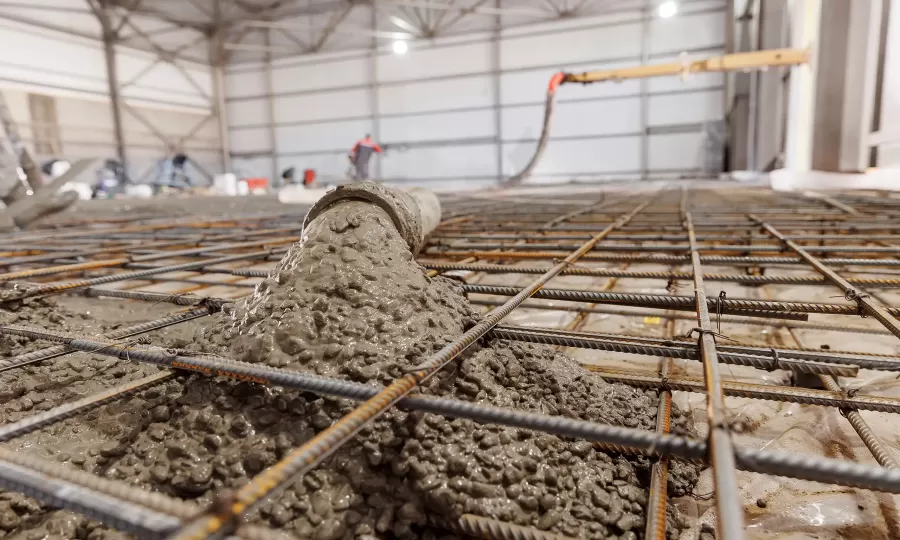
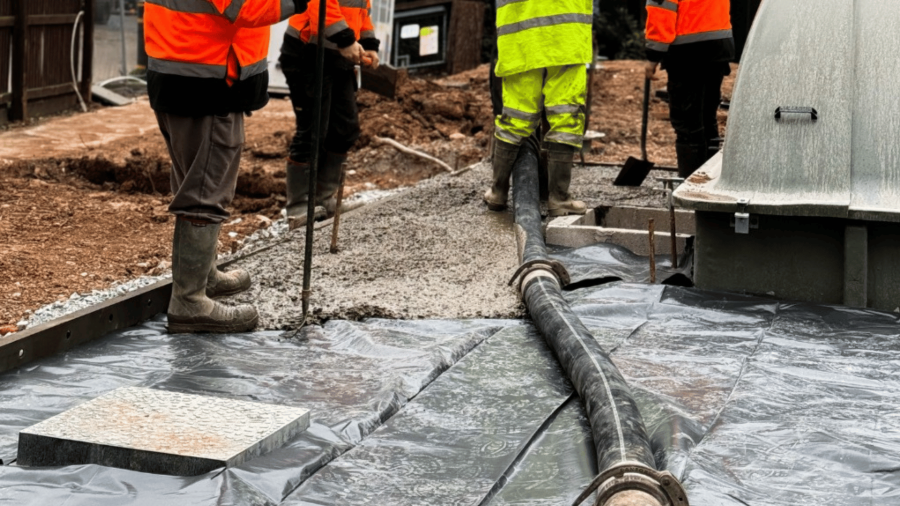
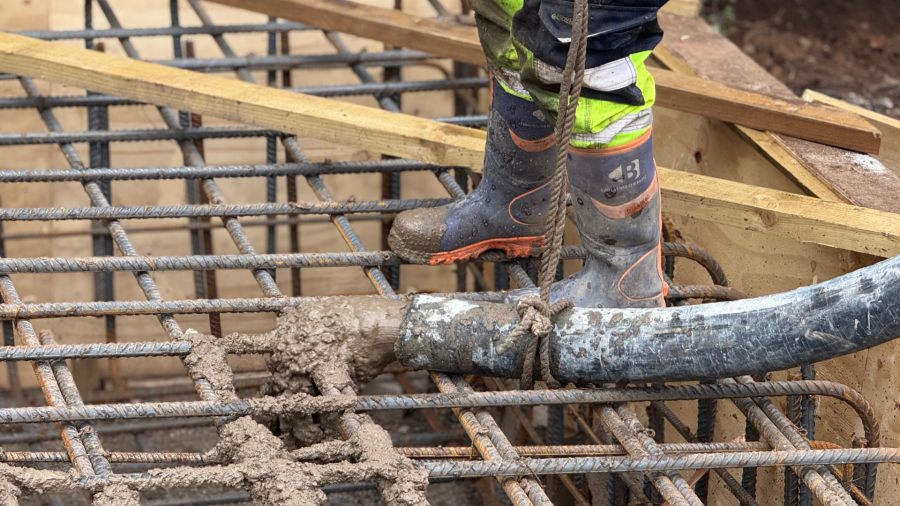
Speed is everything in cold weather, and that’s where a pump earns its money. A pump places concrete straight from the truck to the pour in one continuous run, so it spends less time losing heat and the whole slab starts curing at the same time. That means fewer cold joints and less chance of the first section stiffening while the last is still going in.
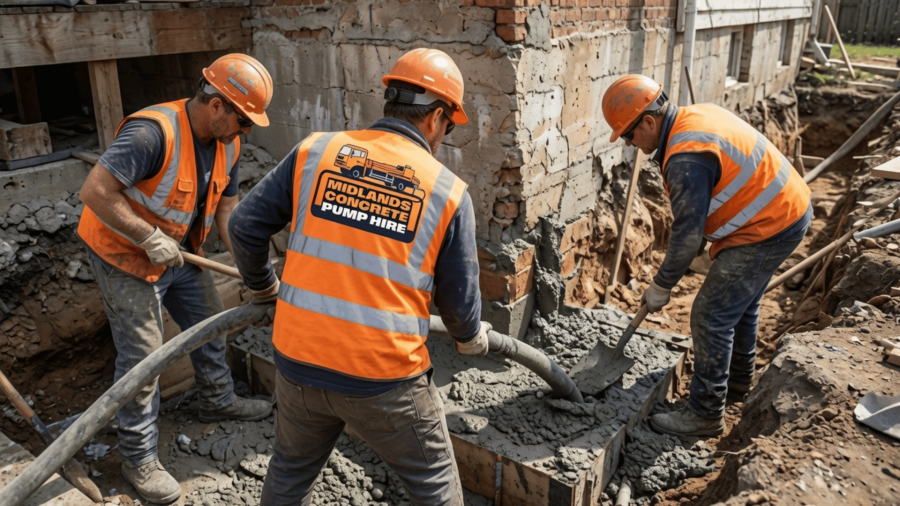
A pump also keeps heavy trucks off soft, wet winter ground. Line pumps run through gardens and side passages without rutting the site. There’s more on this in Avoid the Mud: How a Concrete Pump Can Save Your Site This Winter.
Winter pours that benefit most from a pump:
- House extension foundations
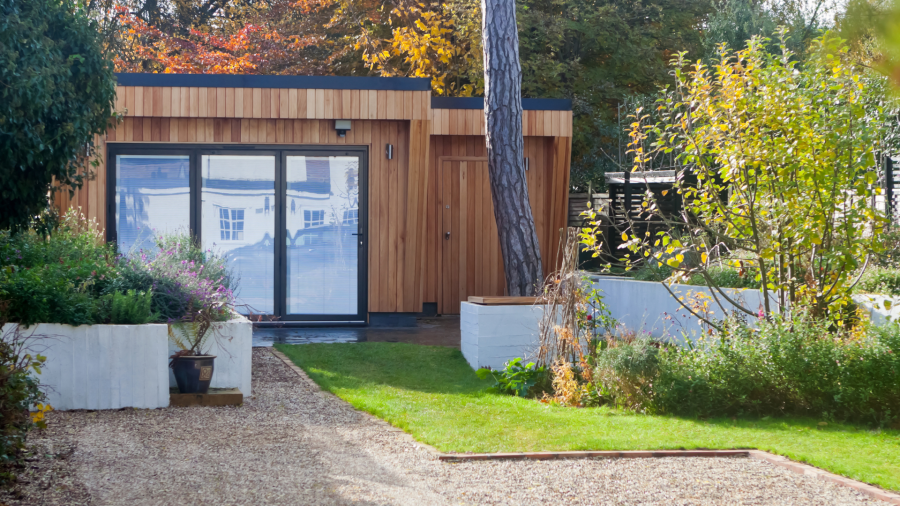
- Back garden slabs and garden office bases
- Liquid screed floors
- Basements and underpinning
- Sites with poor or muddy access
Why This Matters
Frost-damaged concrete isn’t always obvious on day one. The surface can look fine and then scale and break up after the first hard winter. Breaking out and re-pouring a slab costs far more than a set of frost blankets and a bit of planning. Getting the temperatures right means your concrete performs the way it’s supposed to, whatever the month.
Book a Winter Concrete Pump in the Midlands
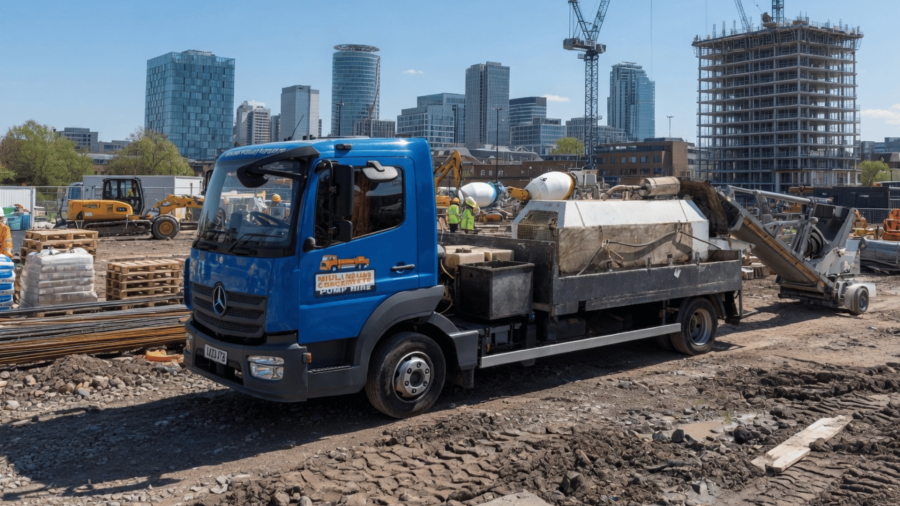
At Midlands Concrete Pump Hire, we pump concrete all year round for domestic and commercial projects across Birmingham and the Midlands, including Coventry, Wolverhampton, Dudley and Solihull. Our operators get the concrete in fast and keep your pour on schedule, so you’re not losing heat or daylight. For a pump-ready site, use this contractor’s checklist, then get in touch.
Call 0121 661 5437 or message us on WhatsApp for a free quote.
Cold Weather Concreting FAQs
What is the lowest temperature you can pour concrete in the UK?
Concrete should be at least 5°C when it’s delivered and kept at 5°C or above until it reaches 5 N/mm² strength. You can pour when the air is colder than this, as long as the concrete is protected and the ground isn’t frozen.
Can you pour concrete if it’s going to frost overnight?
Yes, as long as you protect it. Cover the concrete with insulated frost blankets as soon as it’s finished and keep it covered until it has gained enough strength, usually about 48 hours at 5°C or above.
How long does concrete take to cure in cold weather?
Longer than in summer. Concrete that’s firm enough to walk on overnight in warm weather can take two to three days in winter, and full strength takes longer too.
Can you pour concrete on frozen ground?
No. Frozen ground will thaw and settle under the slab, and it chills the concrete from below. Clear ice and snow, and keep the ground covered the night before if frost is forecast.
Does adding salt or antifreeze stop concrete freezing?
Don’t add anything on site. Ask your concrete supplier for a cold-weather mix or a heated delivery instead. The wrong additive can damage the concrete and corrode the steel reinforcement.
View more articles from Midlands Concrete Pump Hire below or get in touch with us here.