Underpinning: Strengthening Foundations for Modern Homes
Homeowners across the Midlands are increasingly investing in their properties to create more living space. Popular projects include upwards extensions (like loft conversions or second storeys) and transforming lightweight conservatories into fully usable, year-round rooms. These upgrades add significant value but often reveal a critical need: stronger, deeper foundations. This is where underpinning comes into play — and why concrete pumping, particularly our specialist line pumps, is becoming an essential part of these projects.
What is Underpinning?
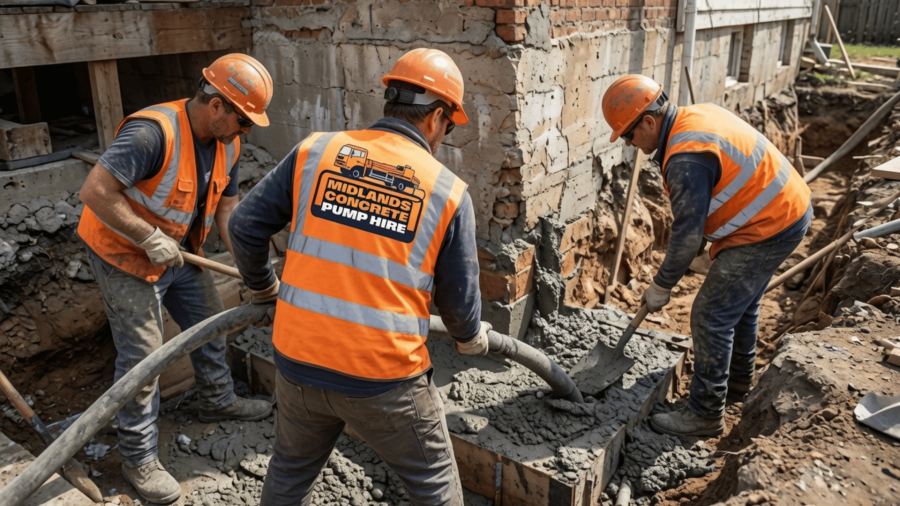
Underpinning is the process of strengthening and stabilising existing foundations by extending them deeper into more stable soil or reinforcing them to handle additional loads. It’s commonly achieved through methods like mass concrete underpinning (traditional sequential bays), beam and base, or mini-piling, depending on site conditions and engineer specifications.
In simple terms, it transfers the building’s weight to more reliable ground, preventing settlement, cracks, or structural issues as you add weight or change how the property is used.
Why Underpinning is Growing in Popularity
- Upwards Extensions & Loft Conversions: Adding a storey increases the load on existing shallow foundations, which were often built for lighter structures. Underpinning ensures the home can safely support the extra floors.
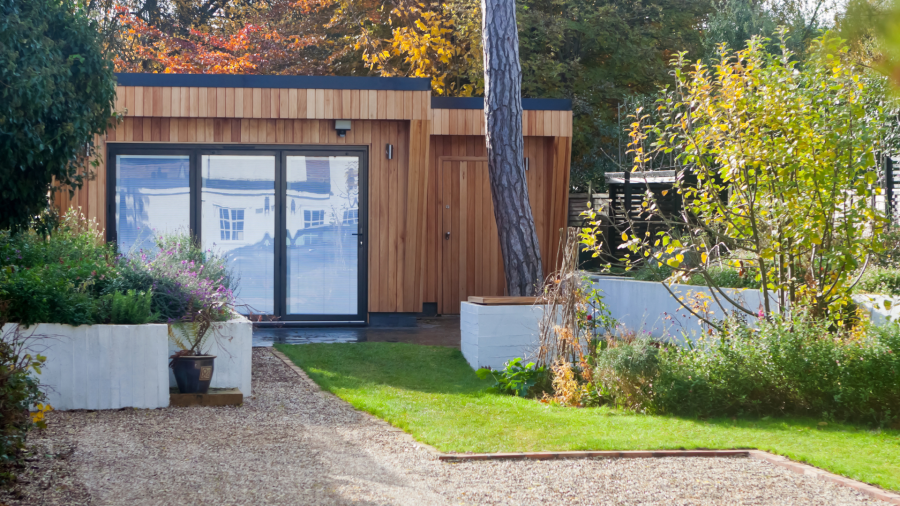
- Conservatory Conversions: Many older conservatories sit on lighter foundations designed for seasonal use. Converting them into solid extensions (with proper insulation, heating, and heavier roofing) often requires underpinning to match the main house’s foundation depth and prevent differential settlement.
- Property Value & Lifestyle: With rising demand for home offices, family rooms, and modern living spaces, homeowners want reliable, long-term solutions rather than temporary fixes.
Soil types in the Midlands (often clay-heavy) can exacerbate movement due to moisture changes, nearby trees, or drainage issues, making professional underpinning a smart investment.
The Challenge of Difficult Access Sites
Many residential underpinning projects occur in tight or awkward locations:
- Narrow side returns or rear extensions with limited vehicle access.
- Back gardens behind terraces or semi-detached homes.
- Excavations close to boundaries, existing structures, or services.
- Indoor or basement-adjacent work.
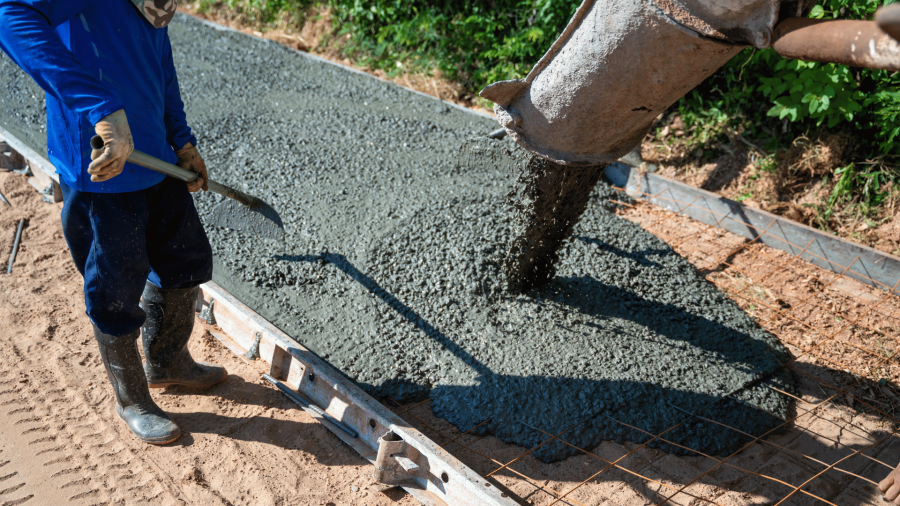
Manually wheeling concrete in buckets or barrows is labour-intensive, slow, messy, and risky — especially when pouring precise amounts into foundation trenches or bays.
How Our Line Pump Makes Underpinning Projects Smoother
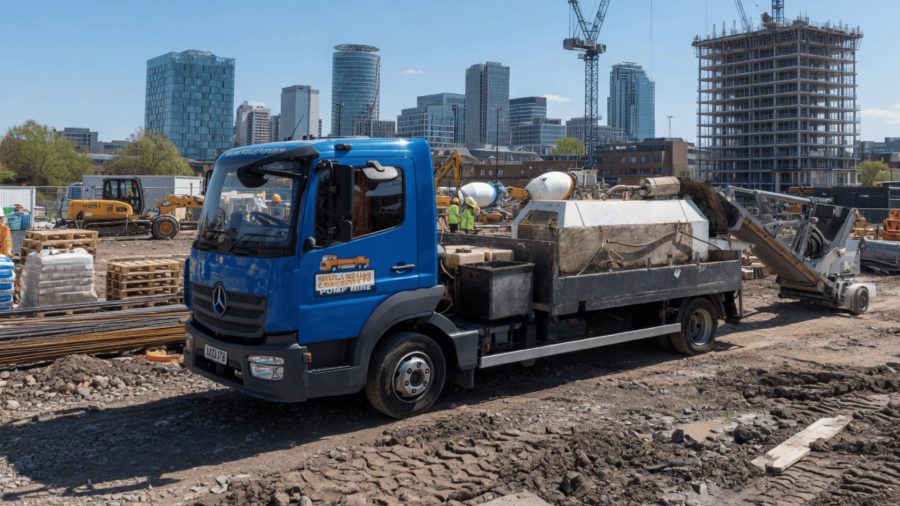
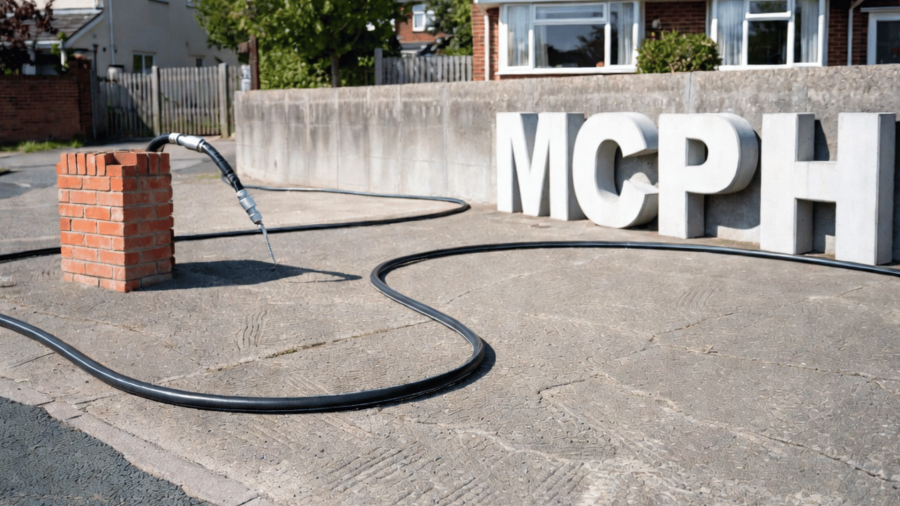
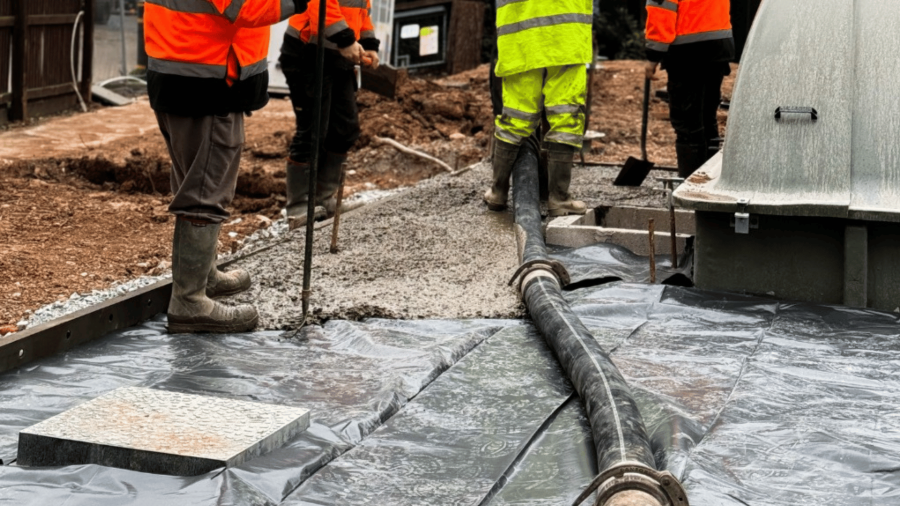
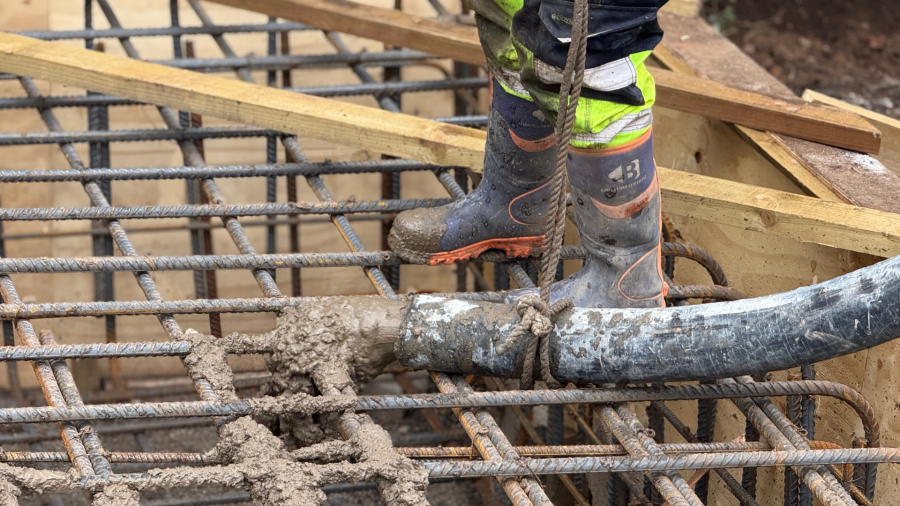
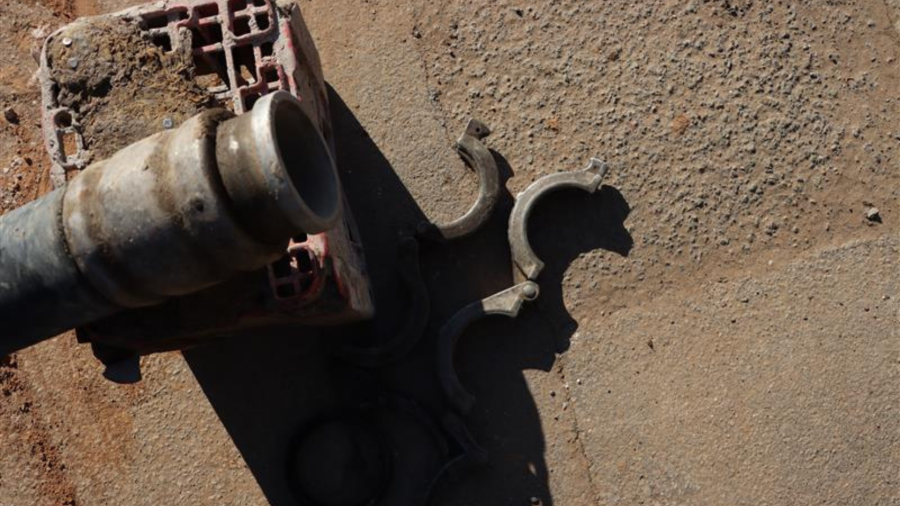
At Midlands Concrete Pump Hire, we specialise in line pumps that excel in exactly these scenarios. Flexible hoses (typically around 15cm wide) can snake around corners, through windows, down narrow passages, or into deep excavations while the pump truck stays on the road or accessible area.
Key Benefits for Underpinning:
- Precision Placement: Concrete is delivered directly into the underpinning bays or forms, reducing segregation and ensuring consistent quality.
- Speed & Efficiency: Faster pours mean less time with open excavations, minimising disruption to your home and neighbours.
- Reduced Labour & Risk: No heavy manual handling in confined spaces — safer for workers and your property.
- Minimal Site Impact: Ideal for occupied homes or restricted access sites common in the Midlands.
Whether it’s a traditional mass concrete underpin or supporting a new raft, our experienced operators ensure the job runs smoothly from quote to pour.
Case for Homeowners
If you’re planning a conservatory conversion or upwards extension, consult a structural engineer early. They’ll assess your foundations and may recommend underpinning. Pairing this with professional concrete pumping keeps costs down, timelines tight, and results high-quality.
Contact Midlands Concrete Pump Hire today for a no-obligation quote. We serve Birmingham, Tamworth, and across the Midlands with reliable, affordable line and boom pump hire.
Frequently Asked Questions (FAQs) about Underpinning
Q: Do I definitely need underpinning for a conservatory conversion? A: Not always. Many conservatories have adequate foundations, but conversions often require assessment. Underpinning is a common, cost-effective solution if extra strength is needed.
Q: How long does underpinning take? A: It varies by method and scale — typically 2–8 weeks. Mass concrete can be sequential and phased; modern methods like mini-piling may be quicker.
Q: Can I stay in my home during the work? A: Usually yes, though there will be some noise, vibration, and restricted access. Good contractors minimise disruption.
Q: What are the signs my foundations need underpinning? A: Cracks in walls (especially diagonal), sticking doors/windows, sloping floors, or visible settlement. Always get a professional survey.
Q: How much does it cost? A: Costs vary widely (£6,000–£50,000+ for domestic properties) depending on the extent, method, and access. Concrete pumping can help control costs by improving efficiency.
Q: Is underpinning covered by insurance? A: Typically not for gradual settlement or improvement works like extensions. Check your policy and consult specialists.
Q: Why use a concrete pump for underpinning? A: Pumps reach difficult locations quickly and cleanly, reduce labour, and ensure better concrete placement — essential for structural integrity in tight residential sites.
Ready to strengthen your foundations? Call us on 0121 661 5437 or get in touch here for expert advice and pump hire across the Midlands.
Midlands Concrete Pump Hire — Delivering reliability where it matters most.
View more articles from Midlands Concrete Pump Hire below or get in touch with us here.